


Cancer is a Gift
A Love Story with Side Effects

FAQs
-
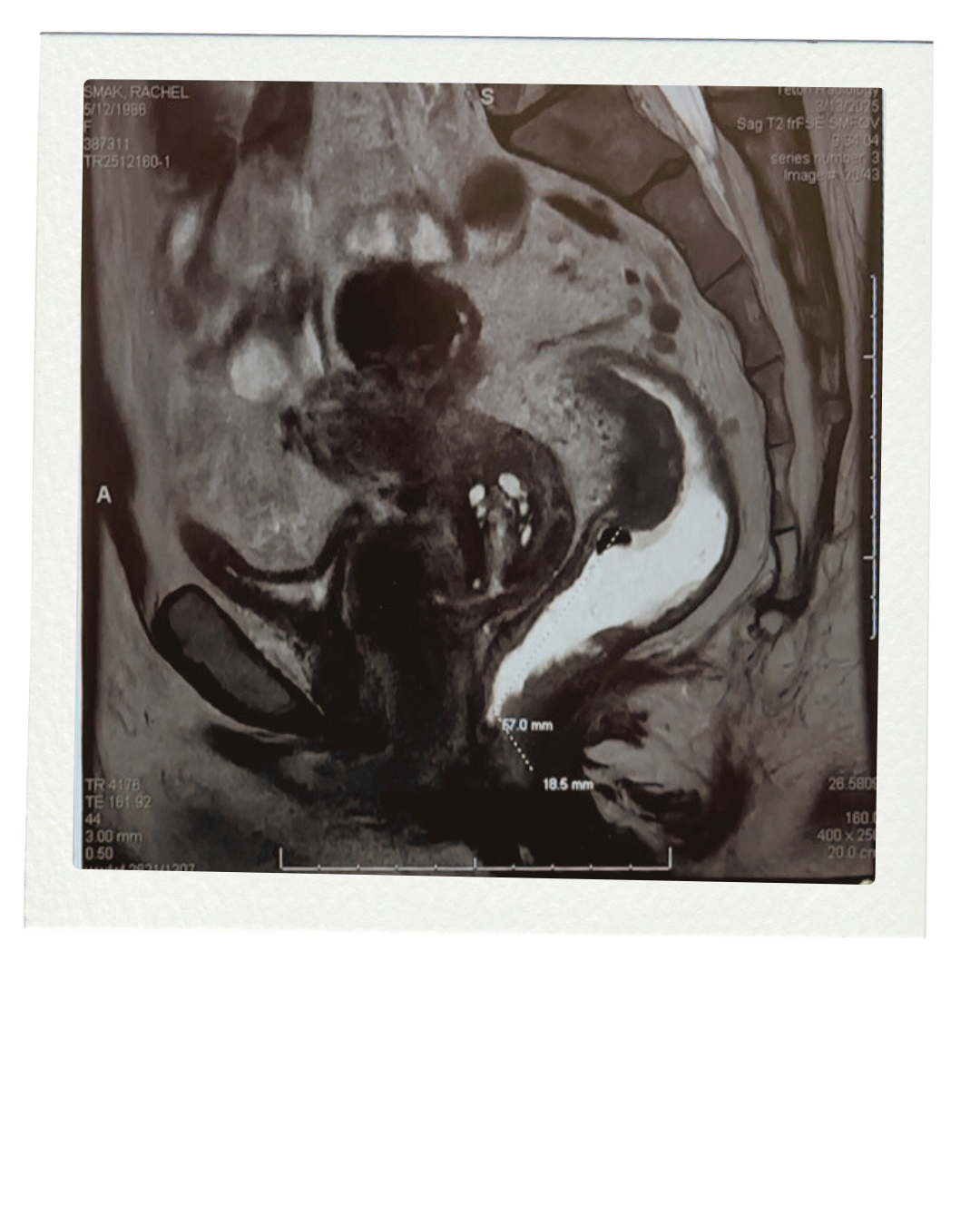
A: Rectal. Yes, like the asshole. The one no one wants to talk about unless it’s a fiber commercial. The tumor’s in my ass, and basically the most undignified cancer imaginable.
-
A: Stage 3C, officially, although my oncologist does think it might have spread to my lungs which would make it stage 4.
As for “okay,” define okay. Emotionally? No. Spiritually? Working on it. Medically? TBD. Financially? FLM. Mentally? Still using sarcasm to cope.
-
-
A: Hell yes. Slow-cooked, Lion Diet–approved food. Broth. Butter. Beef. Love notes. Guilt-free snacks.
No gluten, no alcohol, no pity casseroles. (Unless it’s cute.) -
A: You can. But understand I may answer with:
A meme
A one-word lie (“fine”)
Nothing at all
This isn’t personal. It’s survival.
-
A: Only if you want to be gently, but permanently ghosted.
-
A: YES. Silence is sacred. Just send a heart. Or a dumb gif. Or money. Or a playlist.
You don’t have to fix me. You just have to show up. -
-
A: Let’s be specific, because “Let me know if you need anything” is a sweet nothing, and I’m living in full-blown “Need everything” mode. Here’s the truth:
Money. (Obvious. Ongoing. Urgent.)
Housing. The only thing worse than facing cancer is facing it homeless.
Food. I’m on the Lion Diet (All meat, salt, and water). If you send soup with kale in it, I will cry and then ghost you. JK ;-P
Fecal Microbial Transplant. Yeah, that’s right. I need someone else's superior poop to fix my gut. Google it, then pray for me because it’s expensive.
Cold Capping. Yeah, you read that right. I’m wearing a frozen hat to try and keep my hair intact while going through chemotherapy. It’s not as fun as it sounds, but it could save me from total hair loss. The cost? Expect to drop anywhere from $1,500 to $2,000 for the entire treatment plan. That’s not including dry ice, shipping, or the occasional emotional breakdown when I realize how much money I’m spending just to keep my hair on my head.
Fertility Treatment. Cancer took my health, but I’m begging it not to take my future. Fertility treatment is my only shot to preserve the dream of motherhood before chemo closes the door for good. If you’ve ever hoped for something you couldn’t hold, you’ll understand why I’m asking. It’s not cheap, though—I’m looking to pay anywhere from $6,000 to $15,000, depending on the clinic and the meds I’ll need. That’s just for the retrieval process, not even including storage fees, which are another $500 to $1,000 a year.
Gym Membership. Movement is medicine. Studies show regular exercise during cancer improves treatment outcomes, reduces recurrence, and boosts mood—but more than that, the gym is where I remember I’m still alive, still strong, still fighting.
Flight Miles. Some of my treatment isn’t local, and airfare is a privilege I don’t have right now. If you’ve got points, let’s talk.
Cancer Registry. It’s like a lifeline wrapped in a wishlist. Instead of hoping for random gifts, I’ve picked out items that’ll actually make this journey a little less miserable—everything from medical supplies to cozy essentials for treatment days. You can browse, pick something, and have it sent straight to me. No guessing, no clutter—just pure, practical help when I need it most.
Gift Cards. Think grocery stores (for meat), gas stations, Target or other places for essentials or anything that keeps me functioning between appointments.
Medical supplies. Things like heating pads, sitz baths, essential oils…
Prayers. If you’re not able to give financially, but still want to support me, I’d be grateful for your presence in other ways. Pray for me, light a candle, share this website with one other person, or offer kindness to someone in my name. That matters too.
-
A: Absolutely not. Insurance in the U.S. is a suggestion, not a solution.
They don’t cover all my imaging.
They deny certain lab work unless it’s “pre-approved.”
They don’t touch integrative treatments or nutritional support.
They don’t cover fertility treatments or cold capping therapy to keep my hair.
And forget mental health—unless I want a Zoom therapist named Brent who reads from a script.
I’m looking at paying tens of thousands out of pocket to stay alive.
-
A: Because I’m exhausted. Not “I need a nap” tired—existentially, cosmically tired. Sometimes healing means disappearing. Sometimes, I’m just hiding from medical bills and my own inbox.
-
A: Like being both the patient and the doctor, the fighter and the battlefield, the victim and the advocate—and no one can see how hard you're trying just to exist.
-
A: Yes. But not “I need a nap” tired—more like “My cells are fighting a civil war tired.” More like “I slept 9 hours and still feel like I’m melting through the bed tired.”
It’s fatigue, that wears your effervescent personality down like sandpaper. It makes brushing your teeth feel like a victory. It makes text messages feel like dissertations. -
A: Waiting for results.
Being treated like a project instead of a person.
Watching people you love treat your diagnosis like a conversation killer.
Having your grief sterilized by phrases like “You got this!”
Also:
The nausea.
The isolation.
The invasive procedures.
The loss of trust in your own body.
And the fact that you’re expected to keep showing up, smiling, pretending that you’re still the same person.
-
A: Yes. I’m scared every time I feel a new ache, every time I wonder if I’ll have enough money for treatment or a roof over my head. I’m afraid that my brother is about to watch his entire immediate family vanish in the blink of an eye. I’m scared I’ll die quietly in a borrowed bed, that the people I love won’t know how much I loved them back. I’m scared of disappearing before I’ve had the chance to become who I was meant to be.
But I’m also braver than I’ve ever been, in a quiet, exhausted way. Not the kind of brave that looks good in an Instagram post. -
A: I’m still me. Messy, genius, exhausted, brilliant. If you’re wondering whether cancer has silenced me—don’t worry. I’m still louder than your thoughts. But I won’t be able to work while I undergo treatments, all of my energy will be spent getting healthy and working on this blog and other creative ways to share my journey with the world.
-
A: Oh, trust me, I’ve tried. SSDI is not the “quick fix” it might seem. It’s a grueling, drawn-out process where you prove that you're sick enough to deserve help but not dead enough to skip the bureaucratic circus. Most people get rejected multiple times before they even see a hint of approval. And while you're in the process? Life doesn’t stop. Bills keep stacking, rent still knocks, and cancer—well, cancer just keeps growing. Even with 40 work credits, my application got denied because of work history, and now, after calling every disability lawyer I could find, not one of them is willing to take me on…so yeah, SSDI is the dream—just not mine.
-
A: "Cancer is a Gift" might sound like a cruel joke, but it’s not. When I was first diagnosed, I was drowning in fear, anger, and uncertainty. But over time, I realized this cancer—this chaotic, soul-crushing disease—was teaching me things I never expected to learn. It’s forced me to confront the deepest parts of myself, to strip away all the distractions, and to truly understand what resilience and vulnerability mean. It’s not about romanticizing cancer or pretending it's some kind of blessing. It’s a raw, brutal reality…but it’s also my teacher. And through this mess, I’ve found that gratitude—yes, even for this—has the power to shift my perspective. And to heal me in ways I never thought possible. It’s a gift in the strangest, most brutal way imaginable. It’s an unlikely gift wrapped in the cruelest of bows.
-
A: “HealingJourney123” (with zero bars and a $120 co-pay)
CANCER IS A GIFT — BUT NOT THE KIND YOU WANT — MY MANIFESTO
This is what it looks like when your life falls apart in chapters.
First, your mother hangs herself from the ceiling fan in your apartment. Then your father forgets your name and everything else, one neuron at a time. The spring your father dies, your apartment floods. Your rapacious landlord raised the rent like clockwork but wouldn’t fix the leaky roof. You find out your renters insurance will not cover any of your damages, lost wages, or irreplaceable family heirlooms—some fine print loophole. Mold takes what grief hasn’t already.
Then comes the cancer diagnosis.
You fall in love. Move states. You believe in something again. But when oncologists tell you your cancer is advanced and that it has progressed, the man you thought would hold you through this, your supposed rock, tells you he doesn’t love you. Just like that.
You say goodbye to your dog—the closest thing you had to family—and leave him with the man who couldn’t say I love you back. You abandon what little furniture survived the flood in a barn in a dead-end town in southeast Idaho. You carefully tetris what remains—some clothes, your laptop, your parents’ ashes—into the back of a car you can no longer afford and are one, maybe two months behind on. And then you leave Idaho. No plan. No net. All this—and treatment has just begun.
You watch your business fold. The connections you spent seven years building begin to ghost you—leaving the call with "Let me know." You eat when friends Venmo you. You sleep in borrowed beds. You pray your hair doesn’t fall out.
You can’t eat. You can’t sleep. A spirit of restlessness washes over you. And on the nights when you lie awake thinking about what will happen to you, you think about your younger brother fourteen hundred miles away and wonder what will become of him if you die? You let the tears come. Because you can’t imagine being the last one left, the only survivor of your immediate family, after they’ve been erased in a matter of years.
You fast for forty days on pure water alone—in the desert, like Jesus—believing God is angry with you, hoping for redemption. But instead of salvation, you find cancer. The same one doctors ignored and misdiagnosed for four years.
You lament the fact that you might die without ever having a man who is not your father tell you he loves you. You mourn children you will never bear, never name, never rock to sleep. You picture thirty-nine: no hair, no parents, no partner, no children and a colostomy bag clinging to your hip where life should have been growing. A body riddled by chemo. A mind riddled by grief.
You call this a gift. Not because you believe it yet, but because you want to.
And maybe it is.
But it’s the kind you open with trembling hands, knowing it might kill you before it saves you.
There are times when I wonder what I ever did to deserve such a story as this. I search for meaning in the meaningless. I feel like Job. I ask why God has chosen to humble me–no, more like obliterate me–while my friends who believe in divine retribution sit watching like Eliphaz and Bildad.
I try to look on the brightside–try to hold onto a more nuanced view of suffering: maybe it’s for spiritual growth and not punishment. I question whether it was mercy when God struck me down with cancer, or just boredom. If this is the refiner’s fire, then why am I burning alive?
Sometimes I fear that when I stand before God, He will name me ungrateful. That I bruised His heart. That I squandered the lessons. That I stayed stubborn when I should have bent. That I asked for too much and gave too little. Maybe He’ll be disappointed in me.
There’s one thing I’ll never question—God knew me. Whether He answered or not, whether He stayed silent or stormed in, He knew the sound of me.
I have cried out for Him on borrowed beds and stranger’s couches. I have cursed him from the toilet bowl. I have whispered His name on yoga mats and sitting in church pews. I have prayed beneath streetlamps when I had nowhere else to kneel and shouted at Him from truck stops outside Amarillo.
I have spit accusations into the dark—called Him cruel, heartless, absent. I have called Him a liar and I meant it. I have prayed for release and I have begged for death.
You will find me on a Monday, questioning whether cancer is in fact a gift or a slow undoing. Wondering if a person can die from a heart broken by grief. I remind myself that I am praying to the same God who answered Job in the Bible with a whirlwind. The God who let him lose everything—seven sons, three daughters, his sheep, camels, donkeys and oxen.
The same God who left Job scraping boils from his skin with shards of pottery, sitting in the ash heap of his own life while friends called him cursed. This is the same God I cry out to now, wondering if He has forgotten my name, or worse—forgotten I was ever His.
Some nights the only prayers I know are tears. Some nights not even that. Maybe I will never understand why this was written as my story. Maybe He does not owe me an answer.
The questions wore me down. The prayers emptied out. For eight months I let the mountains hold me while I searched the edges of this grief, asking cancer: What is your lesson? What do you want from me?
They’ll say I must be cursed—what else explains a life that falls apart in chapters? Let them say it. Let them think it. I’m the one sitting in the ruins, arguing with God. Bitter? Fine. Angry? Of course. Cynical? Hardened? I’ve earned it. But don’t mistake me for faithless.
I am Hagar arguing with God in the ruins. I come from a long lineage of wrestling with suffering. I am the Israelites—lost, broken, and begging for deliverance, only to wander forty years in the desert and be given manna. And manna means: What is it?
Cancer is my What is it?
A gift I didn’t ask for. An unanswered prayer that’s shaped my soul. A teacher I never wanted. A path I would never choose. But it is what I’ve been given. And even in its cruelty I have seen God in it. I’ve seen God in an LDS bishop who paid to fix my car and filled it with gas so I could chase a treatment in another state. I have seen God in the face of my best friend who offered up her couch to me. You meet grace in places you never looked for it.
The gifts I receive from cancer come in the ordinary dressed up as radiant—showers that become baptisms, food that becomes feast, a kind word that becomes a lifeline.
You dismantle hope, piece by piece—and then cancer teaches you to build it back again. You learn that the body keeps its own secrets from your mother’s suicide, and sometimes tells them too late. You begin to go a little easier on yourself. Permission arrives quietly, in the space where shame used to live. You begin to move through the world without apology. It strips away the fear of disappointing anyone, because once you’ve stared down your own mortality, what is left to fear in the judgments of others?
And still, this brutal chapter gives something back: a stripped-down knowing, a fierce clarity, the chance to touch each moment as if it could dissolve in your hands. It asks: What would you do if this was your last good hour? And then it asks again. It teaches you the difference between being alive and truly living.
Cancer shows you how shallow most conversations are—and how few people can bear your truth. Cancer shows you that love is not always enough—and that some people will run. But the ones who stay, those are your people. It's a gift that softens the heart—yours toward others, and theirs toward you. Love becomes unconditional. Forgiveness becomes reflex. You speak your truth, because there may be no other chance. And you finally understand that love is the only thing you can carry with you.
It reveals how little you truly need. In losing so much, you learn what can never be taken. The exquisite economy of time becomes clear. Ego dissolves. No one is immune. No one is above this. You are brought to the human core. It teaches you how to receive, because survival depends on surrendering to what is offered—grace, kindness, money, food. And it clears the clutter of life, making space for purpose. The noise falls away. What’s left is what matters.
Grief is infinite. So is love. Both stretch wider than the body can hold. The gift is not the suffering but what suffering makes possible. It brings you face to face with your mortality—and your life begins there.
And what comes back is yourself—not the performative one. Not the curated one. The self beneath the debris. The one you were meant to be all along. The one beneath the layers of expectation and striving and survival. The one who knows how to sit with grief and still recognize beauty when it flickers by. The one who can lose everything and still be—still belong.
And when there is nothing left—no hair, no plans, no certainty—cancer leaves you with this: the terrible, brutal freedom of nothing left to lose, and the beautiful clarity of what matters most.
In the end, cancer strips you raw, but it does not leave you empty. It leaves you truer. And maybe that is the gift: not the cure, not the miracle, not the rescue, but the return—to the unvarnished self who can stand, trembling, in the wreckage, and still whisper: “I am grateful for this chapter.”
If you’ve made it this far—thank you. The next chapter is unwritten.


Cancer, they say, is a gift. And they’re right. It is. But not the kind of gift you want..
It’s the kind that rips your life apart, leaves you with a mess of treatments, side effects, and a body that you don’t recognize anymore. Stage IIIC Rectal Cancer, to be exact.
It’s the kind of cancer that settles into the muscles of your asshole and takes its time to teach you the hardest lessons. There are no easy answers, no “just get better” moments. My world—once defined by my work, my health, my ability to control things—has been turned upside down. It’s costing me, this lesson. Every penny. But I’ll take it, because that’s the deal.
I used to think cancer was something that happened to other people, something distant, something you pity from the comfort of a life untouched. But then there it was, in my asshole. Stage IIIC Rectal Cancer.
Now, I’m learning how to navigate it: chemotherapy, a port in my chest, radiation five days a week for eight weeks. I’ll be carrying a chemo backpack 24/7 for the next eight months. And that’s just the beginning. There’s a fecal transplant (yes, really) and a diet that requires more discipline than I’ve ever had.
I don’t know how this story ends yet. I’m still figuring it out. But if you want to be a part of it, if you want to help, it would mean something. Even just being here, reading, or sharing this. That means something.
This cancer? It’s my instructor. And like all good teachers, it’s both cruel and enlightening. I’m Rachel Smak—and yes, I named my blog Cancer is a Gift to write and share about stage how the trauma from my mother’s suicide manifested itself in my asshole as stage 3 rectal cancer. Thanks for being here.

Give today
⁎
Give today ⁎
Your support helps me survive this.
It keeps me from losing my car—which I need to reach chemo and radiation appointments.
It helps me avoid homelessness during treatment.
It covers medical bills my insurance won’t touch—fertility treatments, a fecal transplant (yes, really), cold cap therapy to preserve my hair, and other out-of-pocket costs.
It helps me afford basic necessities while I am too sick to work. And replacing some of the items I lost that insurance would not cover.
They say all is fair in love and war. But I have chosen love. Gratitude is my weapon—because I believe in its power to create healing.
Your kindness helps me stay alive. It helps me keep going, one day at a time.
Cancer Chronicles (a.k.a. the blog)
-
![strawberry moon over swan valley idaho]()
Strawberry Moon
I didn’t leave Idaho with a bang. I left the way women do when they know they’re no longer welcome. Quietly. Efficiently. The night before I drove out of Swan Valley, the Hunter and I cleaned the house like we were going to stay forever, like we weren’t already done. He promised to pick wildflowers for me the next morning. He set an alarm so we could watch the Strawberry Moon. At 1:44 a.m. he looked up, squinted, and said, “It ain’t shit.” I think that’s how he felt about us, too.
-
![Image of elegant woman behind a curtain with her hand sticking out holding a rotary phone]()
The “C” Word
How a Cancer Diagnosis Became the Punchline in My Worst Month Ever. When life hits you with a flood, loss, and then cancer—all in one disastrous month—how do you cope? Explore my brutally honest story about the chaos, humor, and surreal moments that accompanied my rectal cancer diagnosis.
-
![A hospital bed in the middle of the desert with an IV pole created by rachel smak]()
Bedside Manner
I was diagnosed with Stage 3C rectal cancer in under ten minutes. No scan. No explanation. Just a treatment plan and a business card. This is what bedside manner really looks like—and what happens when your future gets delivered like a weather report under fluorescent lights.
-
![Black magnetic letter board on white ceiling with the phrase "Cancer is a gift".]()
A Love letter to rectal cancer
In this unconventional love letter, I share how my rectal cancer diagnosis became a catalyst for self-discovery, healing, and profound gratitude. Explore why, despite its darkness, cancer can also offer unexpected gifts.
-
![Moody image of food stylized and photographed like a renaissance painting]()
Fasting for 40 Days Led to My Cancer Diagnoses
I thought I was saving myself. Forty days in the desert. Nothing but water and willpower. What started as an act of discipline unraveled into something much darker. This isn’t a redemption story per say.
-
![A river winding through lush green fields with distant mountains in the background under a clear sky.]()
Love, in the time of cancer
I left Phoenix before my cancer had a name—packed my life in silence and drove toward Swan Valley with my dog and a man I’d only just met. A story about illness, intuition, and the man who helped me pack. You’ll find photos along the way—of landscapes and moments that remembered me before I remembered myself.
-
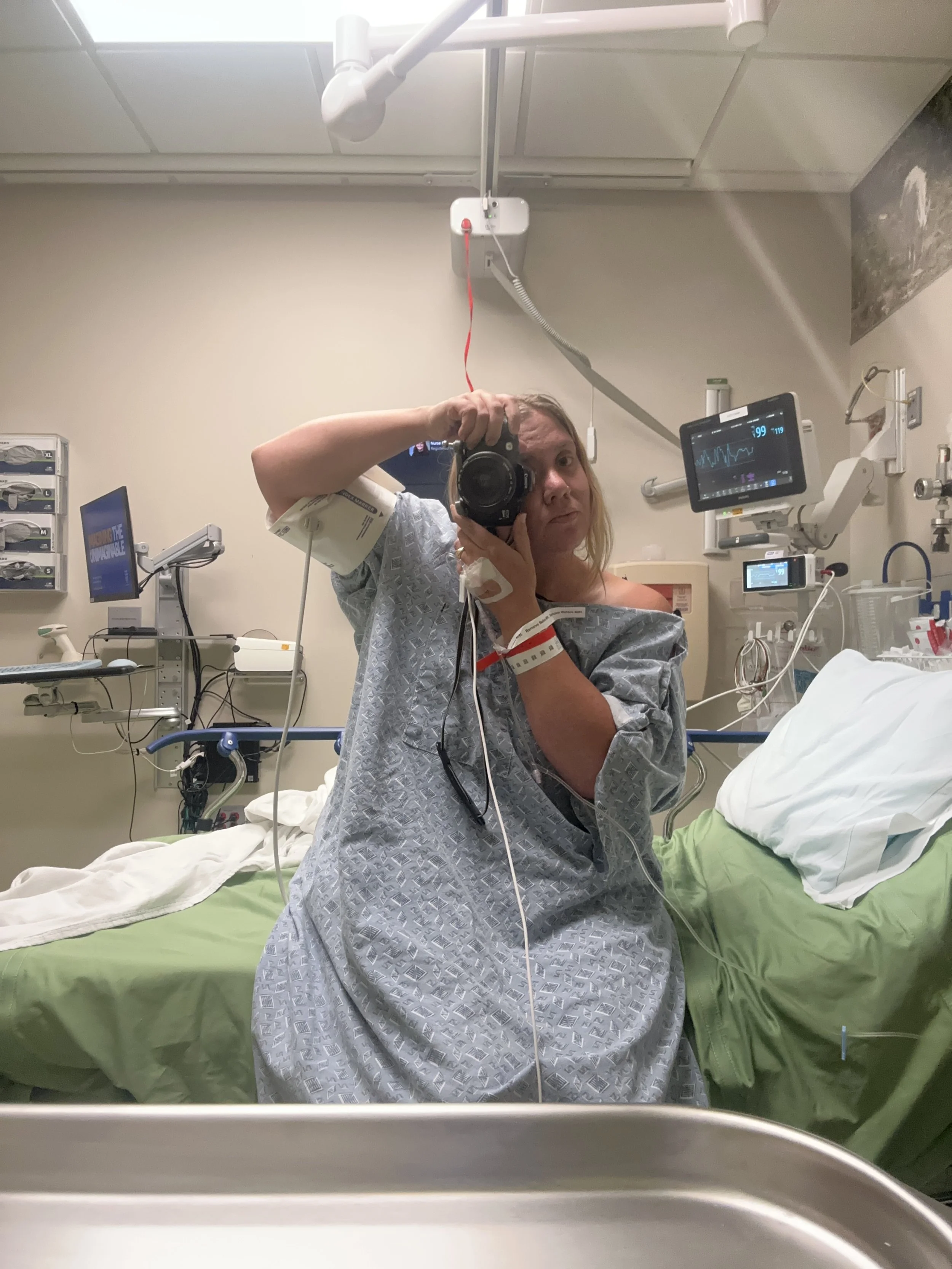
![rachel smak at the mayo hospital of arizona right before she found out her stage 3c cancer diagnosis. She is wearing a hospital gown, hooked up to IVs and monitors, and holding a film camera up for the picture]()
Cleared for discharge
A true story of missed symptoms, medical gaslighting, a body that kept score, and the cancer that almost got away.
-
![Hospital bed in the exam room right before a colonoscopy]()
I named my ass tumor richard
I named my tumor Richard because if something’s going to live in my ass rent-free, it might as well have a name. This post is about finding some humor in the grotesque, some power in the naming, and some relief in not taking this whole cancer thing too seriously for five minutes. It’s personal, slightly unhinged, and honestly kind of cathartic.
-
![photo of photographer and stage 3c rectal cancer patient rachel smak]()
single. white. female.
I'm a single woman with no kids, no parents, and now cancer. This is what survival looks like without a safety net. It’s not brave. It’s necessary.
-
![national cancer institute image]()
Stages: A Deep Dive into How Cancer Staging Came About and a Breakdown of What They Mean
Explore the fascinating evolution of cancer staging from ancient theories to modern advancements in our comprehensive guide. Understand the significance of TNM, Dukes, and other staging systems to better grasp treatment options and prognosis.
-
![photo of cancer patient holding a gift registry box for wecarecancer.org]()
the one where I registered for cancer
I never got a wedding registry. I never unwrapped a onesie at a baby shower or squealed over a KitchenAid mixer. But then I got cancer—and suddenly, I had needs no one wants to talk about at brunch. After a messy apartment flood, losing my dad, and now facing stage 3 colon cancer, I’ve created the one registry I never imagined I’d need. It's not filled with blenders or bassinet blankets—just the real stuff: broth, gas cards, soft socks, and a little dignity. Think of it as my bridal shower, just... for tumors.
-
![image of hospital gown with flowers coming out of it handing from a hospital IV rack very vogue]()
the paper gown chronicles
I thought I’d learn what stage my cancer was in. Instead, I learned how quietly a person can disappear in a paper gown.
-
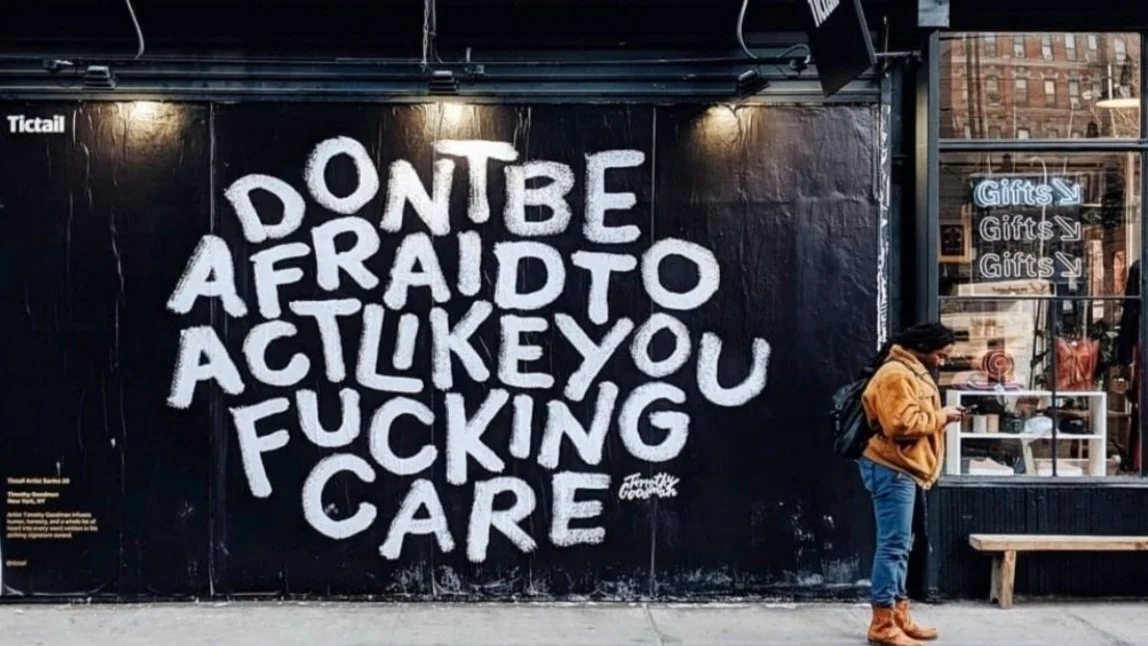
![dont be afraid to act like you fucking care wall in NYC]()
I Soft Launced My Cancer Disclosure & Here’s What Happened…
After I shared my cancer diagnosis in a low whisper, I was met with a chilling silence and unexpected isolation. Learn about my experience when I opened up about my cancer, and discover how this moment of vulnerability revealed the true colors of those around me—highlighting who really stood by me and who disappeared.
-
![shadow of two women on side walk shot on film]()
10 Ways to Support Your Friends With Cancer
I wrote this for every friend who’s ever said “let me know if you need anything” and meant it—but didn’t know how to help. As someone with cancer, here are 10 real ways you can actually show up that don’t involve baking a damn casserole.
-
![image of rachel smak after getting her chemo port placed]()
Port of Entry
Why does all the hospital art always look the same? I got my chemo port placed this week—watched the whole thing on a flatscreen while the surgeon gossiped about a nurse. I left the hospital a little more bruised, a little more bionic, and still haunted by that damn sunflower print in the hallway.
-
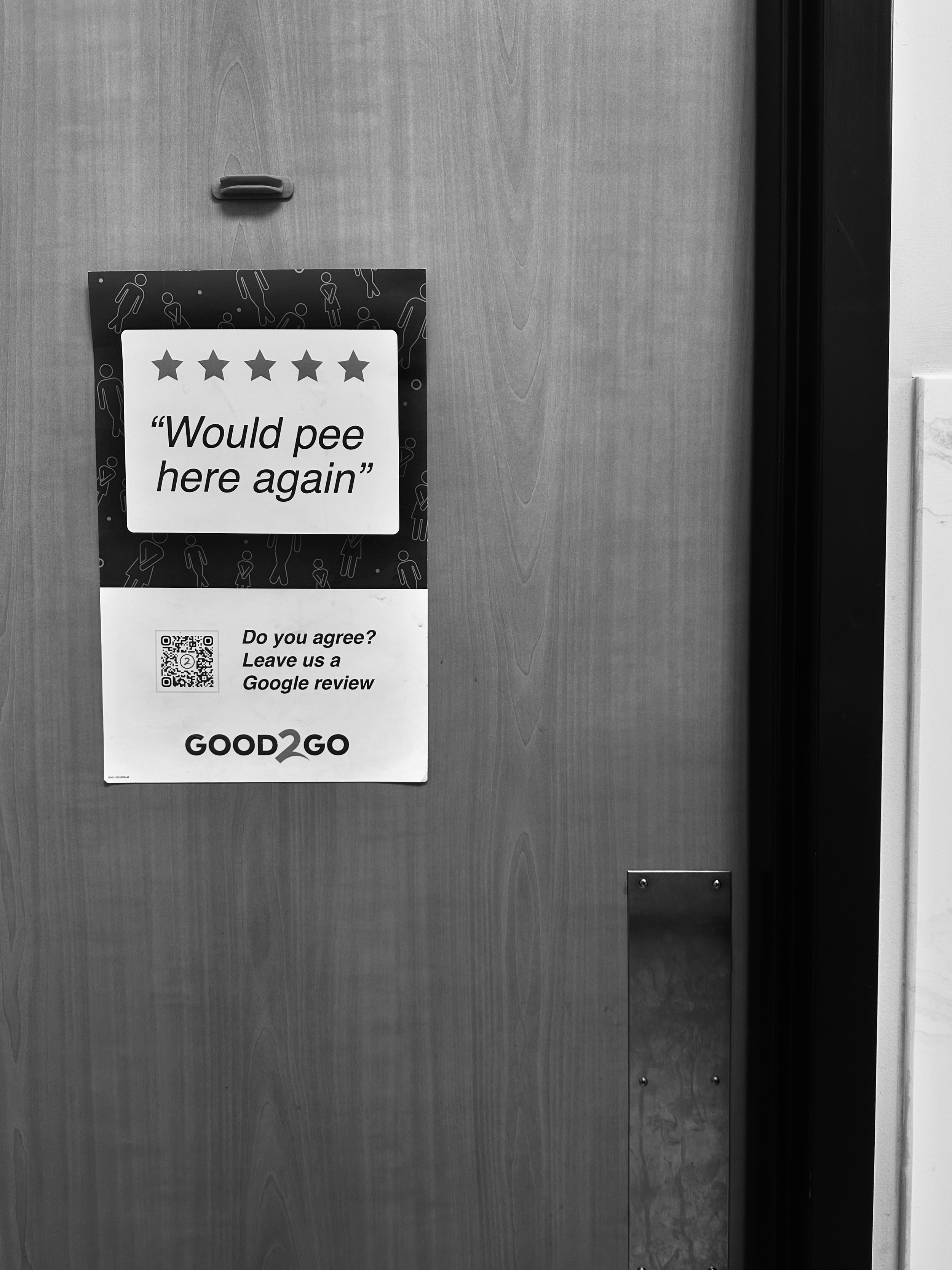
![photo of good2go bathroom in black and white]()
Five Stars. Exploded Here During a Medical Crisis.
Stopped during a medical crisis and was handed a bathroom key attached to a muffler. The bathroom held up better than I did. A sacred Idaho experience.
-
![image of shadow smoking photographed by rachel smak]()
Cancer Sticks
I grew up begging my parents to quit smoking. Then I became a smoker. This is about addiction, grief, inheritance—and the drag I still feel in my lungs.
-
![NYC skiline with crowd holding iphones at dusk]()
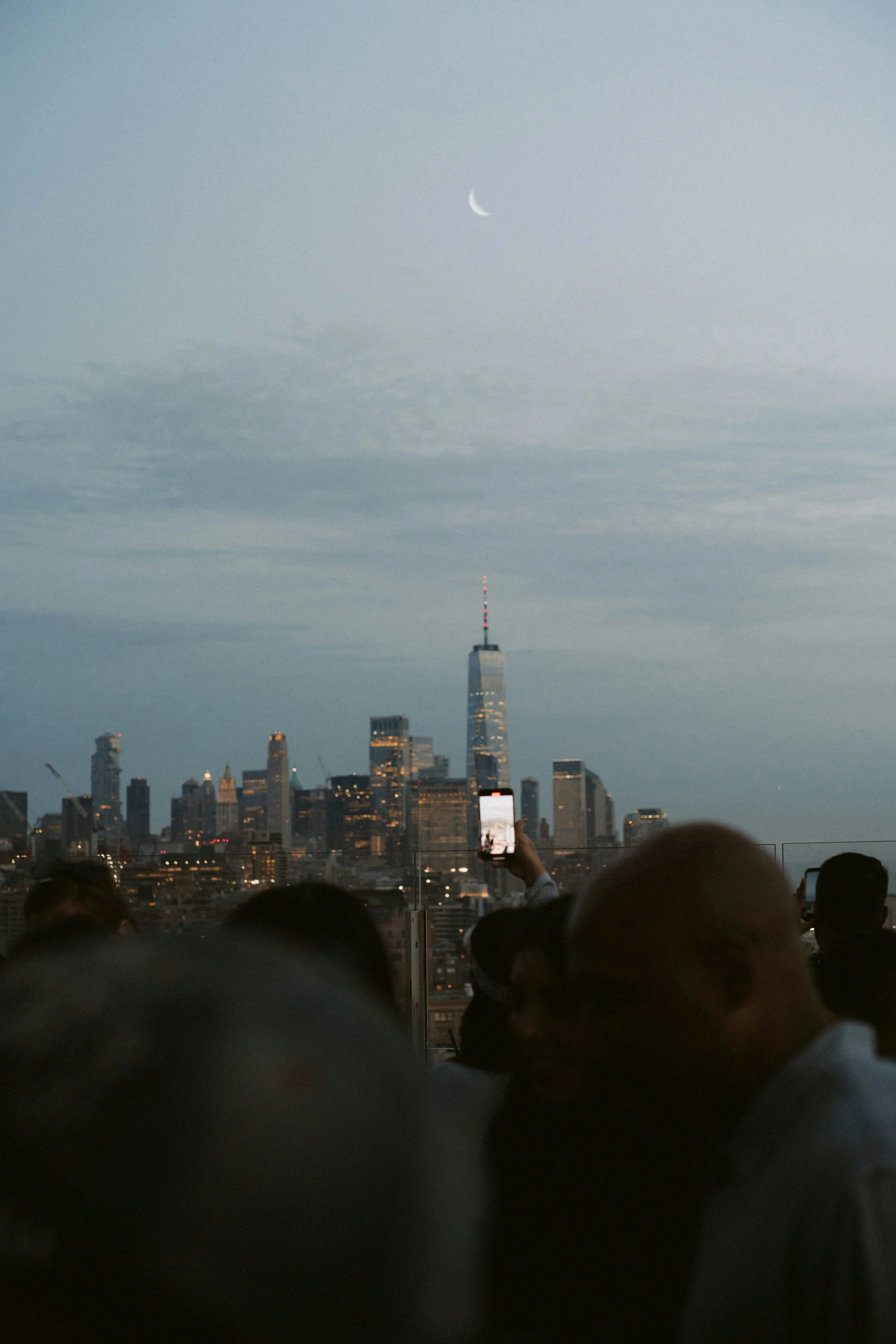
5 Apps worth Downloading If You Have Cancer
Discover five transformative apps that can support and enhance your journey with cancer. From emotional support to managing symptoms and connecting with others, find out how tools like ChatGPT, Headspace, and Belong can redefine your experience.
-
![image of mushrooms shot by rachel smak]()
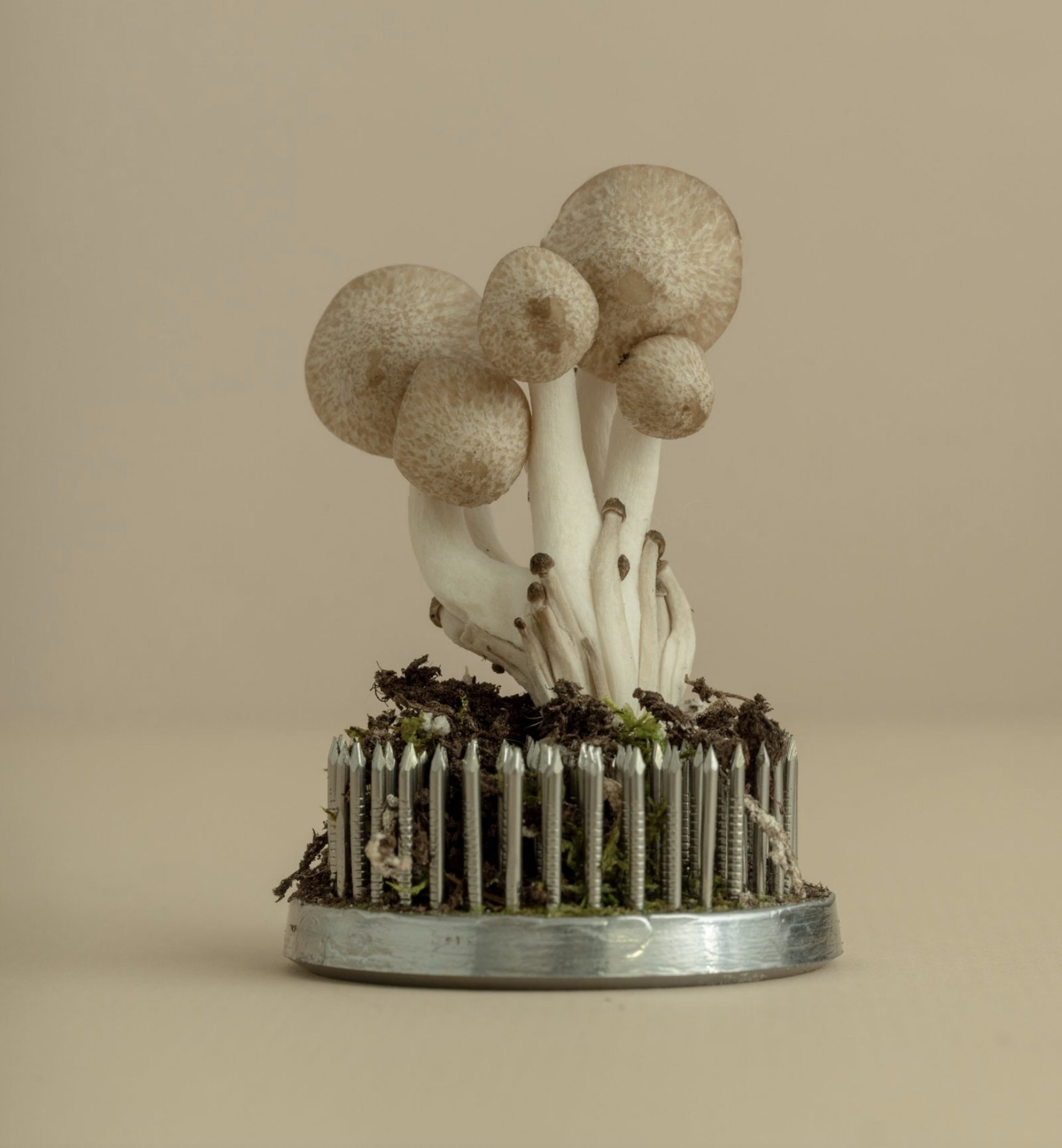
Psychedelic Support: Psilocybin’s Role In Cancer Therapy
After my mom’s suicide, I accidentally took a psilocybin hero dose. It changed everything. Now I’m facing cancer—and I think mushrooms are helping.
-
![national cancer institute history of breast cancer]()
Tied with Hope: The Colorful History of the Cancer Ribbon
Discover the inspiring origins and controversies behind cancer ribbons—from Charlotte Haley’s grassroots peach ribbon to Estée Lauder’s iconic pink. Explore how these colorful symbols became powerful tools for advocacy, awareness, and community connection.
-
![quail eggs splatt shot by rachel smak]()
Cracks
In the quiet spaces between doctor's appointments, the weight of cancer settles into your bones. The hardest part isn’t just the diagnosis—it’s realizing that sometimes, the people who promised to stay with you through it all are the very ones who pull away when you need them the most. This is a story of cancer, love, and the slow unraveling of a life I thought I was building. It’s about the cracks we try to ignore and the ones we can’t, as I navigate not only illness but the isolation that so often accompanies it.
-
![image of church gymnasium shot in black and white]()
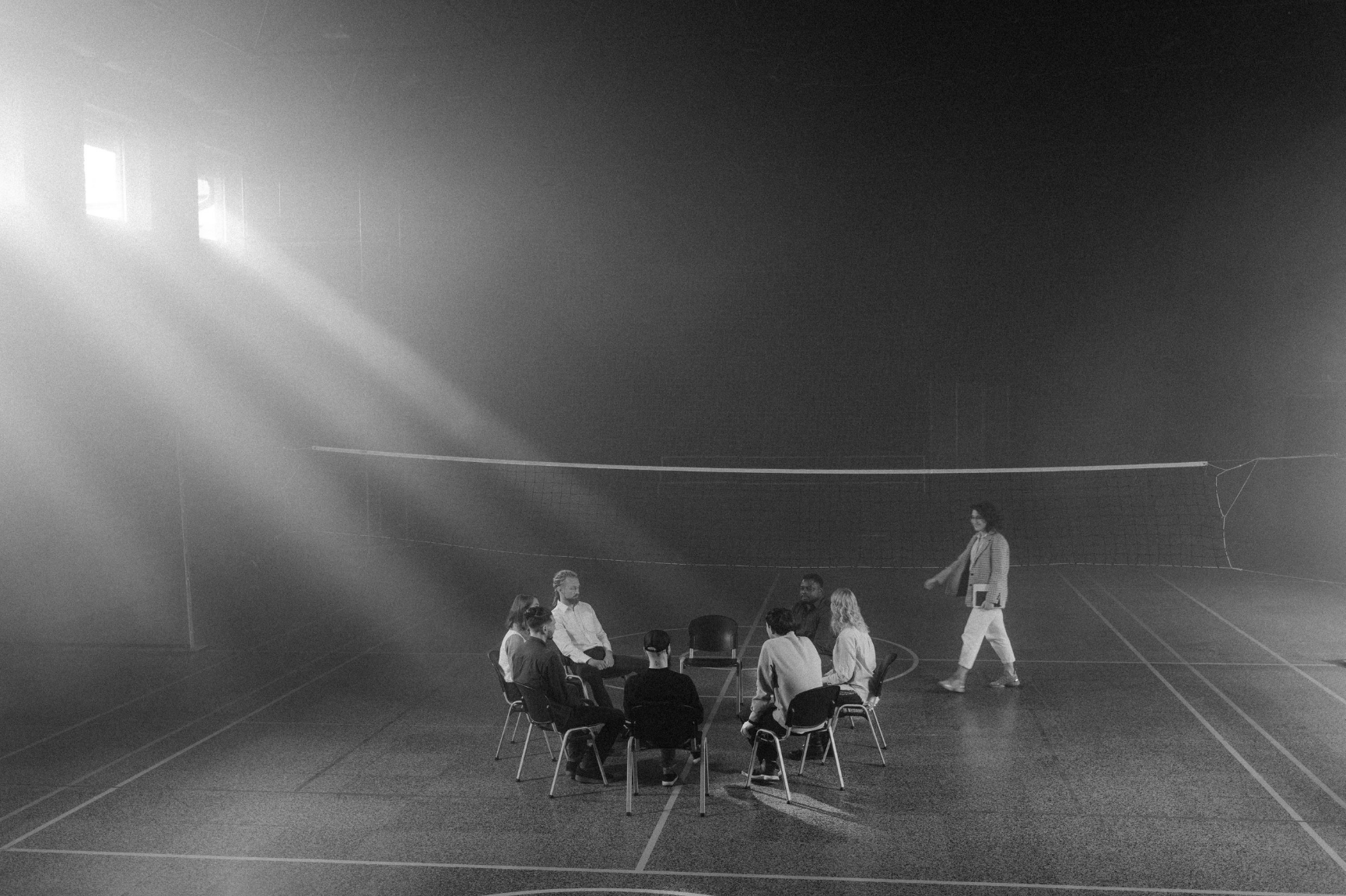
Blessed Are the Performers
A chapter for my memoir: a first-person account of growing up in a charismatic prosperity gospel church that met in an elementary school gym. I learned to speak in tongues before I knew how to spell my name. This chapter is about the gymnasium church I was raised in, the Jesus Language I faked at four, and the first time I lied to a room full of adults so God wouldn’t be disappointed.











SUBSCRIBE HERE
Check Out My Other Projects on Sunday Stills Studio


Sunday Stills Studio is my Agency where I take on all kinds of creative projects from custom photography, videography, copywriting, brand identity, social media and more. Have a project you’re itching to collaborate on? Head to my other website and drop me a line!